Open Source Robotics
open source robotics
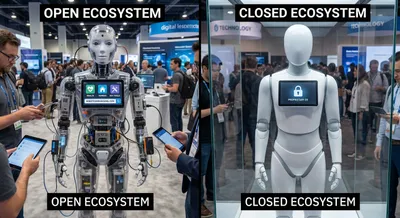
Open vs Closed Ecosystems: Extensibility and Third-Party Apps on 2026 Humanoids
This article compares open vs closed platforms in 2026 humanoids. We look at API access, plug-in frameworks, hardware interfaces, and simulation...
Open Source Robotics
Open source robotics refers to robots, their parts, and the software that runs them when the designs and source code are freely shared for anyone to study, modify, and redistribute. This approach mirrors open source software by making blueprints, firmware, drivers and algorithms available so a community can improve them together. Because people can inspect the inner workings, open systems tend to be more transparent and easier to debug or adapt to new uses. They also lower the barrier to entry for students, researchers and small teams who can build on existing work instead of starting from scratch. Open source robotics matters because it accelerates innovation: contributions from many users produce more features and fix problems more quickly than isolated teams often can. It encourages interoperability, so components and software from different sources can be combined, and it reduces the risk of being locked into one vendor's tools. At the same time, open approaches need clear licenses and good community governance to avoid legal and compatibility problems. Support and long-term maintenance can be less consistent than with commercial products, so teams using open systems should plan for integration and security work. When well-supported, open source robotics can democratize technology, spark creative uses, and form the foundation for sustainable ecosystems where people learn and innovate together.
Never Miss a Robot Breakdown
Get deep research, head-to-head robot comparisons, and industry analysis delivered straight to your inbox — multiple times a week, completely free.