Vendor Lock-in
vendor lock-in
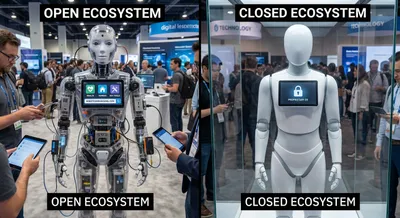
Open vs Closed Ecosystems: Extensibility and Third-Party Apps on 2026 Humanoids
This article compares open vs closed platforms in 2026 humanoids. We look at API access, plug-in frameworks, hardware interfaces, and simulation...
Vendor Lock-in
Vendor lock-in means being stuck with one company’s products or services because switching to another would be hard, expensive, or risky. It happens when hardware, software, data formats, or services are designed to work only within a specific provider’s system. That can make it difficult to move your data, keep using familiar tools, or mix different vendors without big changes. The practical result is fewer choices, less bargaining power, and sometimes higher costs over time. Organizations and individuals can end up dependent on a single supplier for updates, support, and future features. Understanding vendor lock-in matters because it affects flexibility and long-term planning. If you need to change providers, you may face conversion work, retraining, and temporary downtime that hurts productivity. Choosing solutions that use open standards, clear data export options, and modular designs helps reduce these risks. It’s smart to evaluate exit costs before committing and to insist on interoperability when possible. Planning for portability gives you more control and can save money and headaches years down the road.
Never Miss a Robot Breakdown
Get deep research, head-to-head robot comparisons, and industry analysis delivered straight to your inbox — multiple times a week, completely free.