Assembly Tasks
assembly tasks
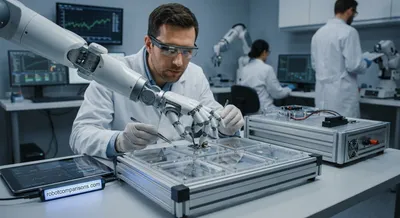
Dexterity and Manipulation in 2026: Assessing Fine Motor Skills and Tool Use
Robots must master several precision tasks, often seen in manufacturing or daily life:
Assembly Tasks
Assembly tasks are the steps involved in putting parts together to build a product or system. They range from simple, repeated actions like inserting a screw to complex sequences that require alignment, adjustment, and inspection. These tasks can be done by people, machines, or a combination of both, and they often rely on fixtures, jigs, and tools to make the work faster and more accurate. The order of operations, the size and shape of parts, and the tolerances (how closely parts must fit) all affect how the assembly is planned and carried out. Some assemblies are high-volume and highly automated, while others depend on careful human skill. Assembly tasks matter because they directly influence product quality, production speed, and cost. Poorly designed or executed assembly steps lead to defects, rework, and waste, while well-organized processes save time and money. Challenges include handling very small or flexible components, maintaining consistency at high speed, and adapting to design changes or custom products. Automating assembly can boost efficiency but usually requires thoughtful integration of gripping tools, sensors, and control strategies to match human dexterity. Improving how assemblies are designed and performed benefits manufacturers and consumers by delivering better products faster and more affordably.
Never Miss a Robot Breakdown
Get deep research, head-to-head robot comparisons, and industry analysis delivered straight to your inbox — multiple times a week, completely free.