Trade Compliance
trade compliance
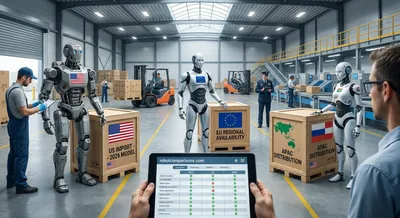
Regional Availability and Import Considerations for 2026 Humanoids: US, EU, and APAC
United States (North America): In the US, major humanoid robot players include Tesla and Boston Dynamics (Hyundai). Tesla’s humanoid (Optimus) is...
Trade Compliance
Trade compliance is the set of laws, rules, and internal procedures companies follow to ensure goods, services, and technology move across borders legally. It covers customs declarations, export controls, sanctions, tariffs, licensing, product classification, and the paperwork needed for international shipments. Companies must identify which laws apply to their products and customers because regulations differ by country and by the type of item being traded. Staying compliant means correctly declaring shipments, obtaining required permits, screening trading partners, and keeping accurate records for audits. Many businesses use software, training, and audits to manage these tasks and prove they followed the rules. Trade compliance matters because violations can lead to heavy fines, seized goods, or restrictions on doing business in certain markets. Good compliance reduces the risk that sensitive technology or materials fall into the wrong hands and helps avoid accidental support of sanctioned entities. It also speeds customs processing, lowers the chance of costly delays, and protects a company’s reputation with customers and regulators. In short, trade compliance turns complex government requirements into manageable steps so global commerce can proceed safely and predictably.
Never Miss a Robot Breakdown
Get deep research, head-to-head robot comparisons, and industry analysis delivered straight to your inbox — multiple times a week, completely free.