Robot Depreciation
robot depreciation
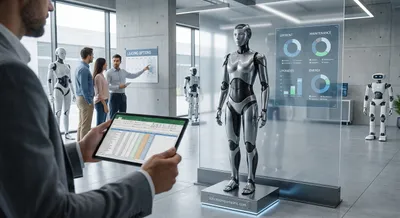
Total Cost of Ownership for 2026 Humanoids: Pricing, Leasing, and Hidden Costs
Software subscriptions and updates are another hidden cost. Many advanced robots rely on AI services, vision software, or cloud connectivity. Some...
Robot Depreciation
Robot depreciation is the gradual loss of value a robot experiences over time as it ages, wears out, or becomes outdated. This decline can come from physical wear and tear, newer models with better features, and changes in software or compatibility. Depreciation matters because it affects resale value, replacement planning, and how much the robot actually costs over its life. Businesses often use standard accounting methods to spread the purchase cost across several years for budgeting and tax purposes. Knowing expected depreciation helps decide whether to buy, lease, or upgrade a robot and when to schedule replacements. Faster depreciation increases total ownership cost, while slower depreciation means better long-term value. Regular maintenance and timely software updates can slow depreciation by keeping performance high and extending useful life. Market demand, brand reputation, and availability of parts also influence how quickly a robot loses value. Planning around depreciation helps organizations forecast costs, set prices for services, and make smarter investment choices.
Never Miss a Robot Breakdown
Get deep research, head-to-head robot comparisons, and industry analysis delivered straight to your inbox — multiple times a week, completely free.