Humanoid Robots
humanoid robots
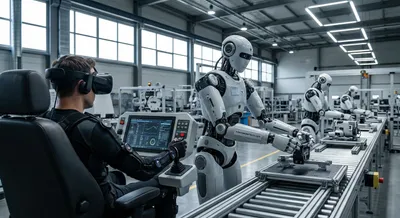
Lessons from Early Adopters: Case Studies of 2026 Humanoid Pilots and Production
One of the first places humanoid robots are used is in logistics (warehouses and shipping centers). For example, Time magazine reports that Agility...
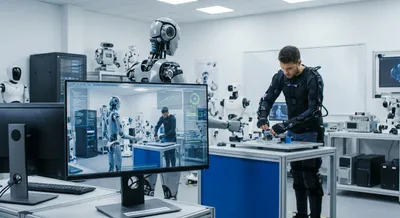
Training Data, Simulation, and Digital Twins: How 2026 Humanoids Learn Your Tasks
Robots often start by learning from humans. One common method is Learning from Demonstration (LfD). That means a person performs a task (say picking...
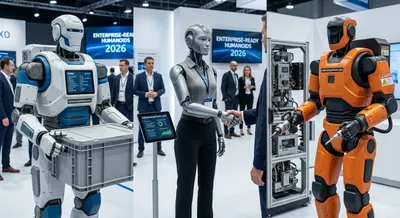
Enterprise-Ready Humanoids in 2026: Comparing Specs, Capabilities, and Safety Compliance
Here are some of the top humanoid robots available or coming soon:
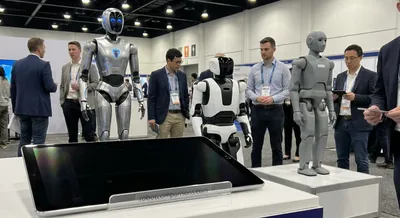
Comparative Review of Leading 2026 Humanoid Platforms: Availability, Specs, and Lead Times
Overview: Digit is a bipedal (two-legged) warehouse robot made by Agility Robotics. It can walk, carry boxes (up to 16 kg) and climb stairs. Digit...
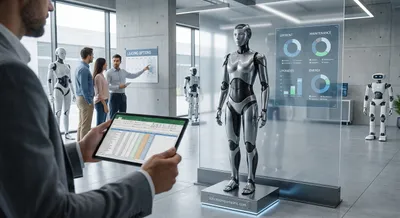
Total Cost of Ownership for 2026 Humanoids: Pricing, Leasing, and Hidden Costs
Software subscriptions and updates are another hidden cost. Many advanced robots rely on AI services, vision software, or cloud connectivity. Some...
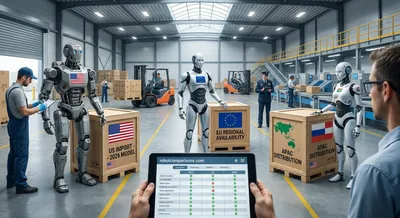
Regional Availability and Import Considerations for 2026 Humanoids: US, EU, and APAC
United States (North America): In the US, major humanoid robot players include Tesla and Boston Dynamics (Hyundai). Tesla’s humanoid (Optimus) is...
Humanoid Robots
Humanoid robots are machines built to resemble and move like a human being, often with a head, torso, arms, and legs. They use motors, sensors, and software to walk, pick things up, speak, and sense their surroundings. Some models focus on physical tasks like lifting or assembling, while others emphasize social skills such as conversation or simple facial expressions. Because they fit into environments made for people, humanoid robots can work with existing tools and spaces without major changes. Their humanlike form makes them useful in homes, hospitals, factories, and research settings, but it also raises special concerns about safety, privacy, and how people emotionally respond to them. Understanding what these robots can and cannot do helps consumers, businesses, and policymakers decide how and when to use them safely and responsibly.
Never Miss a Robot Breakdown
Get deep research, head-to-head robot comparisons, and industry analysis delivered straight to your inbox — multiple times a week, completely free.