Manufacturing Automation
manufacturing automation
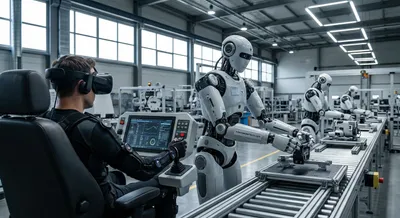
Lessons from Early Adopters: Case Studies of 2026 Humanoid Pilots and Production
One of the first places humanoid robots are used is in logistics (warehouses and shipping centers). For example, Time magazine reports that Agility...
Manufacturing Automation
Manufacturing automation is the use of machines, robots, computer controls, and data systems to carry out production tasks with minimal human intervention. This ranges from simple automated conveyors and programmable machines to advanced robotic assembly lines and systems that adjust processes in real time using data. Automation improves consistency and product quality by reducing the variability that comes from manual labor. It also boosts throughput, allowing factories to make more units in the same amount of time, and can enhance safety by letting machines handle heavy, repetitive, or hazardous work. Firms often recoup the initial investment through lower per-unit costs, fewer defects, and higher productivity. Setting up and running automated systems requires careful planning, capital spending, and ongoing maintenance, as well as new skills for technicians and engineers. Highly automated lines can be less flexible for small or custom production runs, so companies must balance efficiency with the ability to adapt. Humans remain important for creative problem solving, oversight, and tasks that require judgment or fine dexterity. When applied thoughtfully, automation helps manufacturers stay competitive, respond faster to changing demand, and deliver higher-quality products, while also shaping the kinds of jobs in manufacturing communities.
Never Miss a Robot Breakdown
Get deep research, head-to-head robot comparisons, and industry analysis delivered straight to your inbox — multiple times a week, completely free.