Robots
robots
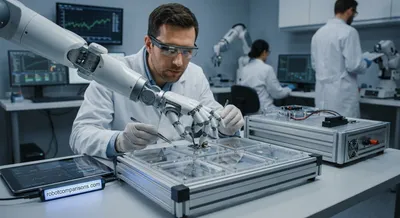
Dexterity and Manipulation in 2026: Assessing Fine Motor Skills and Tool Use
Robots must master several precision tasks, often seen in manufacturing or daily life:
Robots
Robots are machines that can sense their surroundings, make decisions based on that information, and carry out physical actions. They span a wide range of forms, from simple automated arms on factory lines to mobile devices that navigate homes or hospitals. A robot combines hardware like motors and sensors with software that controls behavior and responds to changing conditions. Some robots follow fixed programs, while others use learning systems to adapt to new situations and improve over time. Robots can do work that is too dangerous, repetitive, or precise for people, improving safety and productivity in many areas. They also handle tasks that require endurance, speed, or consistency beyond human capability, helping scale manufacturing, logistics, and research. At the same time, the spread of robots raises questions about jobs, ethics, and how people and machines share space and responsibilities. Designing and deploying robots requires attention to reliability, safety standards, and clear rules about when humans should remain in control. As sensors, control systems, and AI improve, robots are becoming more flexible and better able to work alongside people in everyday settings.
Never Miss a Robot Breakdown
Get deep research, head-to-head robot comparisons, and industry analysis delivered straight to your inbox — multiple times a week, completely free.