Retail Technology
retail technology
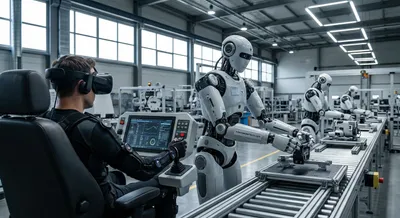
Lessons from Early Adopters: Case Studies of 2026 Humanoid Pilots and Production
One of the first places humanoid robots are used is in logistics (warehouses and shipping centers). For example, Time magazine reports that Agility...
Retail Technology
Retail technology refers to the tools and systems businesses use to sell goods and serve customers, both in physical stores and online. It includes things like point-of-sale systems, inventory management software, self-checkout kiosks, mobile payment apps, and online storefronts. Newer examples are sensors, cameras, augmented reality try-on features, and robots that help restock shelves or greet shoppers. These technologies collect data about products, prices, and customer behavior so stores can make smarter decisions. For shoppers, that can mean faster checkout, more accurate product information, personalized recommendations, and convenient delivery options. For businesses, the benefits include lower costs, improved inventory accuracy, better forecasts, and the ability to test new services. Implementing these systems also brings challenges, such as protecting customer privacy, integrating old and new software, and training staff. Smaller stores may face high upfront costs or technical complexity, while larger chains must manage data and supply networks at scale. As these tools improve, retail companies that adopt the right solutions can stay competitive and meet changing customer expectations. Understanding when and how to use these tools helps businesses improve both the shopping experience and their long-term success.
Never Miss a Robot Breakdown
Get deep research, head-to-head robot comparisons, and industry analysis delivered straight to your inbox — multiple times a week, completely free.