Robot Integration
robot integration
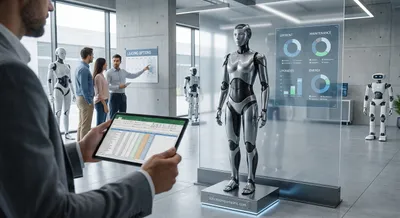
Total Cost of Ownership for 2026 Humanoids: Pricing, Leasing, and Hidden Costs
Software subscriptions and updates are another hidden cost. Many advanced robots rely on AI services, vision software, or cloud connectivity. Some...
Robot Integration
Robot integration is the process of putting robots into a workplace so they work smoothly with existing equipment and people. It involves planning the layout, connecting robots to software systems, programming tasks, and setting safety procedures. Integration teams test how robots move, communicate with other machines, and fit into production or service workflows. Good integration also includes training staff to operate, supervise, and maintain the robots. It can be simple for a single, repetitive task or complex when robots interact with many systems and human workers. Robot integration matters because poor integration causes delays, extra costs, safety risks, and lower-than-expected benefits. When done well, it increases efficiency, quality, and capacity while reducing manual labor and errors. Key steps include clear requirements, choosing compatible hardware and software, careful testing, and ongoing monitoring after deployment. Companies also need plans for updates, spare parts, and scaling up as needs change. Thoughtful integration ensures robots become productive parts of the operation instead of a burden to manage.
Never Miss a Robot Breakdown
Get deep research, head-to-head robot comparisons, and industry analysis delivered straight to your inbox — multiple times a week, completely free.