Robotics Adoption
robotics adoption
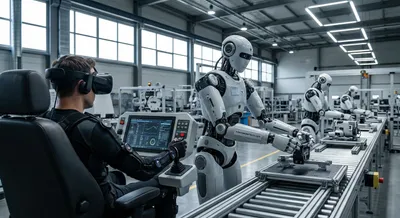
Lessons from Early Adopters: Case Studies of 2026 Humanoid Pilots and Production
One of the first places humanoid robots are used is in logistics (warehouses and shipping centers). For example, Time magazine reports that Agility...
Robotics Adoption
Robotics adoption means organizations start using robots and automated machines to do work that used to be done by people or by less-sophisticated equipment. It covers a wide range of uses, from machines that handle simple, repetitive tasks to systems that can sense their environment and make basic decisions. Adoption usually begins with small trials or pilot projects and expands as the technology proves reliable and cost effective. Companies pursue it to boost productivity, reduce repetitive work, and improve workplace safety. Robots can work long hours without fatigue and can take on dangerous tasks, which lowers injuries and increases output. At the same time, bringing robots into a workplace requires upfront investment, changes to existing systems, and new skills for employees. Successful adoption means planning for training, maintenance, and how people and machines will share responsibilities. It also raises social and ethical questions about jobs, responsibility, and how the benefits are distributed. When managed thoughtfully, adopting robots can make organizations more competitive, resilient to disruption, and able to offer better products or services. Understanding both the opportunities and trade offs helps leaders decide where and how to use robotics well.
Never Miss a Robot Breakdown
Get deep research, head-to-head robot comparisons, and industry analysis delivered straight to your inbox — multiple times a week, completely free.