Robot Learning
robot learning
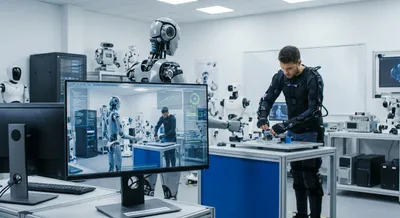
Training Data, Simulation, and Digital Twins: How 2026 Humanoids Learn Your Tasks
Robots often start by learning from humans. One common method is Learning from Demonstration (LfD). That means a person performs a task (say picking...
Robot Learning
Robot learning refers to the set of methods that let machines with bodies—robots—learn new skills, adapt to changing environments, and improve performance over time. Unlike general machine learning that often works with static data, robot learning must handle sensing, motion, timing, and physical interaction with the real world. Common approaches include learning from demonstrations where robots mimic human actions, reinforcement learning where robots discover good behavior through trial and error, and combining simulated practice with real-world fine-tuning to save time and reduce risk. This area matters because real-world tasks require safety, reliability, and adaptability: a robot has to sense its surroundings, plan motions that avoid collisions, and cope with variations it hasn’t seen before. Advances in robot learning make automation more flexible and capable, enabling robots to assist in manufacturing, healthcare, homes, and fieldwork. Good robot learning reduces the need for hand-coded instructions, speeds up deployment, and helps robots perform tasks they weren’t explicitly programmed for while keeping them safe and predictable.
Never Miss a Robot Breakdown
Get deep research, head-to-head robot comparisons, and industry analysis delivered straight to your inbox — multiple times a week, completely free.