Robot Training
robot training
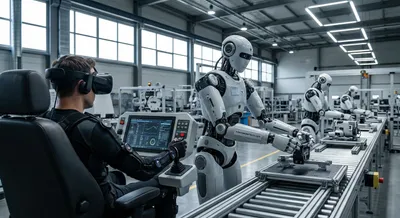
Lessons from Early Adopters: Case Studies of 2026 Humanoid Pilots and Production
One of the first places humanoid robots are used is in logistics (warehouses and shipping centers). For example, Time magazine reports that Agility...
Robot Training
Robot training is the process of teaching machines how to perform tasks and behave safely in the real world. It includes feeding robots examples of actions, using simulations to practice, and letting machines learn from feedback so they improve over time. Engineers use methods like supervised learning, reinforcement learning, and human-guided corrections to build reliable behaviors. Training also covers how robots sense their surroundings, interpret data from cameras and sensors, and make decisions under changing conditions. A lot of training happens in virtual environments before a robot ever meets a person, which helps reduce risk and speed up learning. Once a robot moves into a real setting, developers refine its skills through testing, monitoring, and updates based on real-world performance. Good training reduces mistakes, keeps people safe, and makes robots more useful for everyday jobs. It also matters because well-trained robots save time and money, and they are more likely to be accepted by workers and the public. Training is an ongoing process—robots may need regular retraining as tasks, environments, and rules change. Clear training practices and human oversight help ensure that robots behave predictably and in ways that support the people who work with them.
Never Miss a Robot Breakdown
Get deep research, head-to-head robot comparisons, and industry analysis delivered straight to your inbox — multiple times a week, completely free.