Cobots
cobots
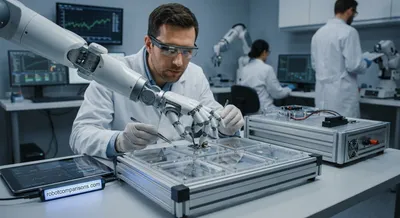
Dexterity and Manipulation in 2026: Assessing Fine Motor Skills and Tool Use
Robots must master several precision tasks, often seen in manufacturing or daily life:
Cobots
Cobots are robots designed to work side by side with people in the same space rather than isolated behind fences. They tend to be smaller, lighter, and more flexible than traditional industrial robots, with built-in safety features to reduce the risk of injury. Many cobots have sensors that detect nearby humans and stop or slow down, and they often use compliant control to be less forceful on contact. They are also easier to program and redeploy, so a worker can teach a cobot a new task without needing specialized coding skills. Because of these traits, cobots are used for assembly, packaging, testing, lab work, and other tasks where steady, repetitive motion helps people do their jobs faster. Cobots matter because they let businesses automate small-batch or variable tasks that wouldn’t be cost-effective with big, fixed robots. They can relieve workers of tiring or dangerous chores while letting humans keep the judgment and flexibility that machines lack. Properly used, cobots boost productivity and workplace safety, but they still require thoughtful setup, training, and protective measures. As sensors, control software, and ease of use improve, cobots are spreading into smaller factories, research labs, and service settings. That makes them an important bridge between manual work and full automation, helping people and machines collaborate more closely.
Never Miss a Robot Breakdown
Get deep research, head-to-head robot comparisons, and industry analysis delivered straight to your inbox — multiple times a week, completely free.