Logistics Automation
logistics automation
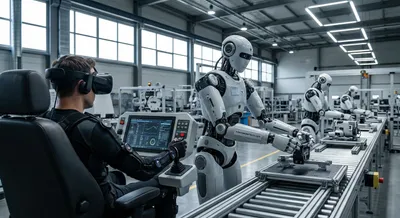
Lessons from Early Adopters: Case Studies of 2026 Humanoid Pilots and Production
One of the first places humanoid robots are used is in logistics (warehouses and shipping centers). For example, Time magazine reports that Agility...
Logistics Automation
Logistics automation refers to using machines, robots, software, and connected systems to move, sort, track, and deliver goods with less direct human intervention. It includes automated warehouses, robotic picking and packing, autonomous vehicles, smart routing software, and real time inventory tracking. The aim is to make supply chains faster, more accurate, and less costly by cutting down on manual steps and human error. Benefits often include faster delivery times, fewer misplaced items, improved stock control, and lower operating costs. Automation also lets businesses scale up quickly during peak demand without hiring large numbers of temporary workers. Implementing these systems can be complex, though, because they must fit into existing software and processes and often require process redesign. Automation introduces new risks too, such as cybersecurity vulnerabilities and the need to manage exceptions that automated systems cannot resolve on their own. Preparing the workforce through retraining and creating roles for oversight and maintenance is an important part of the transition. Logistics automation matters because it affects how quickly and reliably goods reach stores and homes, which influences prices and customer satisfaction. Companies that use smart logistics systems well can gain a meaningful edge in speed, cost, and service quality.
Never Miss a Robot Breakdown
Get deep research, head-to-head robot comparisons, and industry analysis delivered straight to your inbox — multiple times a week, completely free.