Robot Leasing
robot leasing
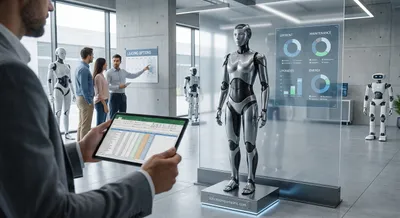
Total Cost of Ownership for 2026 Humanoids: Pricing, Leasing, and Hidden Costs
Software subscriptions and updates are another hidden cost. Many advanced robots rely on AI services, vision software, or cloud connectivity. Some...
Robot Leasing
Robot leasing means paying to use a robot for a set period instead of buying it outright. Leasing usually involves regular payments — monthly, quarterly, or annually — and the lease agreement spells out who is responsible for maintenance, software updates, repairs, and upgrades. This approach can lower the barrier to entry because you avoid a large upfront payment, and it can let you try new technology without committing to ownership. Many leases also include technical support and replacement options if the machine fails, which reduces operational risk. Leasing matters because it gives businesses flexibility to scale up or switch to newer models as needs change, and it can preserve cash for other priorities. However, leasing can cost more over the long run than buying, and contracts may limit how you use or modify the robot. Before signing a lease, it’s important to understand total payments, service responsibilities, end-of-lease options, and any penalties for early termination. For teams testing automation or wanting predictable monthly costs, leasing can be a practical choice.
Never Miss a Robot Breakdown
Get deep research, head-to-head robot comparisons, and industry analysis delivered straight to your inbox — multiple times a week, completely free.