Simulation
simulation
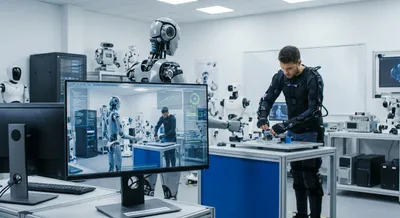
Training Data, Simulation, and Digital Twins: How 2026 Humanoids Learn Your Tasks
Robots often start by learning from humans. One common method is Learning from Demonstration (LfD). That means a person performs a task (say picking...
Simulation
A simulation is a computer-made imitation of a real system, process, or situation. It uses models and rules to reproduce how things behave, so you can watch, test, and explore without touching the real thing. Simulations can represent weather, traffic, factories, or the movement of a robot, and they can run faster or slower than real time. They let people try out ideas, find problems, and compare options in a safe, low-cost way. Because nothing physical is broken or put at risk, simulations are especially useful for training and for checking designs before building them. They also let researchers experiment with rare or dangerous scenarios that would be hard to create in real life. The more accurate the underlying model and data, the more realistic the simulation’s results will be. Even imperfect simulations are valuable because they reveal patterns and trade-offs that are hard to see otherwise. Overall, simulations accelerate learning and decision-making by creating a controlled place to experiment and learn.
Never Miss a Robot Breakdown
Get deep research, head-to-head robot comparisons, and industry analysis delivered straight to your inbox — multiple times a week, completely free.