Automation
automation
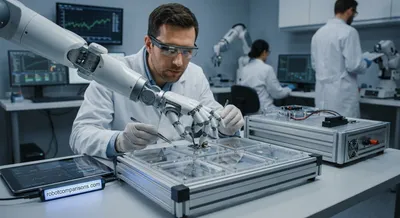
Dexterity and Manipulation in 2026: Assessing Fine Motor Skills and Tool Use
Robots must master several precision tasks, often seen in manufacturing or daily life:
Automation
Automation means using machines, software, or systems to do tasks that humans used to do by hand. It can be as simple as a thermostat that turns heating on and off, or as complex as software that analyzes large sets of data and makes routine decisions. In many workplaces, automation takes over repetitive, rule-based work like sorting, scheduling, or basic calculations, but it can also assist with creative and analytical tasks by handling time-consuming parts. Examples include factory robots assembling products, programs that process invoices, self-service checkouts, and algorithms that help plan routes for delivery. Automation often combines hardware, software, and data to carry out tasks faster and more consistently than people can alone. Automation matters because it changes how work gets done, how companies compete, and how people plan their careers. It can raise productivity, lower costs, and improve quality by reducing human error and operating around the clock. At the same time, it can replace some jobs while creating others, which makes retraining and education important for workers who are affected. There are also questions about fairness, accountability, and safety when decisions are automated, especially in areas like finance, healthcare, and legal work. Understanding the benefits, limits, and risks of automation helps individuals, businesses, and governments make better choices about technology, workforce development, and regulation.
Never Miss a Robot Breakdown
Get deep research, head-to-head robot comparisons, and industry analysis delivered straight to your inbox — multiple times a week, completely free.