Machine Learning
machine learning
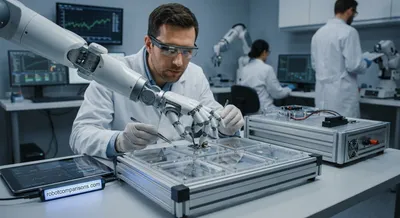
Dexterity and Manipulation in 2026: Assessing Fine Motor Skills and Tool Use
Robots must master several precision tasks, often seen in manufacturing or daily life:
Machine Learning
Machine learning is a way for computers to learn patterns from data instead of being given explicit step-by-step instructions. It uses mathematical models that are trained on examples so the system can recognize images, understand speech, or predict outcomes. Different approaches include supervised learning, where a system learns from labeled examples, and unsupervised learning, where it finds structure in unlabeled data. Training involves feeding a model lots of data and adjusting it so its outputs match desired answers more often. The quality of the data and how the model is designed strongly affect how well it performs. Machine learning matters because it powers many services we use every day, from search engines and voice assistants to medical diagnoses and recommendation systems. It can automate routine tasks, surface patterns people might miss, and make personalized experiences possible. At the same time, it brings challenges like biased results when training data reflects unfairness, limited transparency about how decisions are made, and privacy concerns. Knowing its strengths and limits helps people decide when to trust automated systems and how to use them responsibly. As models and data improve, machine learning will keep shaping technology, jobs, and society, so understanding the basics is useful for almost everyone.
Never Miss a Robot Breakdown
Get deep research, head-to-head robot comparisons, and industry analysis delivered straight to your inbox — multiple times a week, completely free.