Weee Directive
WEEE directive
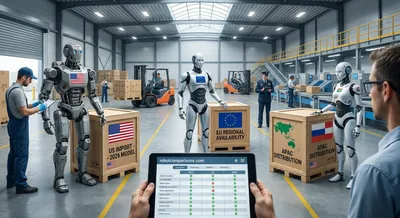
Regional Availability and Import Considerations for 2026 Humanoids: US, EU, and APAC
United States (North America): In the US, major humanoid robot players include Tesla and Boston Dynamics (Hyundai). Tesla’s humanoid (Optimus) is...
Weee Directive
The WEEE directive is a European law that sets rules for how electrical and electronic equipment is collected, recycled, and disposed of. Its main goal is to reduce electronic waste and recover valuable materials like metals and plastics. Under the rules, manufacturers and importers are responsible for arranging or funding the collection and treatment of old devices. This is known as extended producer responsibility and encourages companies to design products that are easier to repair and recycle. The directive also sets targets for how much e‑waste must be collected and recycled by each country. Retailers and distributors often have to provide take-back options so consumers can return old equipment. For businesses, following the rules means changing packaging, labeling, and logistics to meet reporting and recycling requirements. For consumers, it means more convenient recycling and less hazardous disposal in regular trash. Overall, the WEEE directive matters because it reduces pollution, saves resources, and pushes companies toward more sustainable design and business practices.
Never Miss a Robot Breakdown
Get deep research, head-to-head robot comparisons, and industry analysis delivered straight to your inbox — multiple times a week, completely free.