Ai In Industry
AI in industry
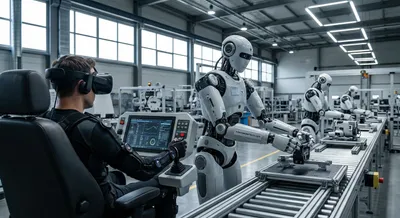
Lessons from Early Adopters: Case Studies of 2026 Humanoid Pilots and Production
One of the first places humanoid robots are used is in logistics (warehouses and shipping centers). For example, Time magazine reports that Agility...
Ai In Industry
AI in industry means using artificial intelligence systems to improve how companies make, move, and manage products and services. This includes tasks like predicting when machines will break, controlling robots on assembly lines, optimizing delivery routes, and spotting defects with computer vision. AI tools can analyze large amounts of data much faster than people, finding patterns that help reduce waste, speed up production, and save energy. They also enable more flexible manufacturing, allowing companies to switch designs or customize products without losing efficiency. In logistics and supply chains, AI can forecast demand, plan inventory, and reroute shipments when problems arise. The benefits for businesses include lower costs, higher quality, less downtime, and faster innovation cycles. At the same time, adopting AI brings challenges such as the need for good data, cybersecurity risks, and new skills for workers and managers. There are also concerns about job changes as routine tasks become automated and about ensuring decisions made by AI are fair and understandable. Successful use of AI combines the strengths of machines and humans, with people overseeing systems, setting goals, and handling exceptions. Regulation, clear metrics, and ongoing monitoring help ensure AI systems are reliable and aligned with business and societal values. When applied thoughtfully, AI in industry can boost competitiveness while creating safer, more sustainable operations.
Never Miss a Robot Breakdown
Get deep research, head-to-head robot comparisons, and industry analysis delivered straight to your inbox — multiple times a week, completely free.