Risk Assessment
risk assessment
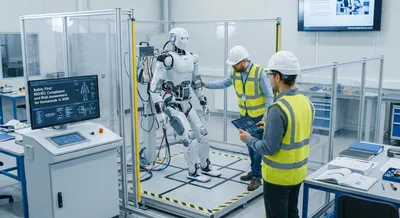
Safety First: ISO/IEC Compliance and Risk Assessment for Humanoids in 2026
Step-by-step risk assessment per ISO 12100 includes: Define boundaries and usage. First decide how, where and when the robot will operate. Specify...
Risk Assessment
Risk assessment is the method used to find and understand dangers so people can reduce the chance of harm. It starts with identifying hazards — things that could cause injury, damage, or loss — in a product, process, or workplace. Next you consider how likely each hazard is to happen and how severe the consequences would be if it did. Combining likelihood and severity gives a measure of risk that helps prioritize which hazards need action first. After assessing risk, you choose controls like design changes, guards, procedures, training, or emergency systems to lower it. The final step is to check whether the controls worked, document the results, and review the assessment regularly because conditions change. Risk assessment matters because it turns vague fears into clear decisions about where to spend time and money for safety. It helps businesses meet legal and industry requirements and reduces accidents, downtime, and liability costs. A good assessment makes it easier to explain safety choices to workers, customers, and regulators. Simple or formal methods can be used depending on how serious and complex the risks are, so the process fits everyday situations as well as high-risk industries.
Never Miss a Robot Breakdown
Get deep research, head-to-head robot comparisons, and industry analysis delivered straight to your inbox — multiple times a week, completely free.