Performance Level
performance level
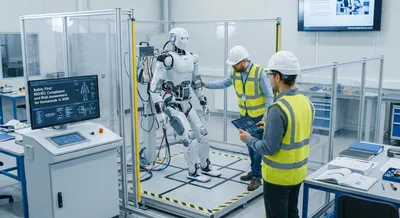
Safety First: ISO/IEC Compliance and Risk Assessment for Humanoids in 2026
Step-by-step risk assessment per ISO 12100 includes: Define boundaries and usage. First decide how, where and when the robot will operate. Specify...
Performance Level
Performance level is a way to describe how reliably a safety-related control system will perform its job when something goes wrong. It is a measured rating that captures factors like how often parts might fail, how well the system detects faults, and how the design tolerates errors. Engineers use this rating to match safety controls to the level of risk in a task, so higher-risk situations get stronger protections. The rating usually comes from a formal assessment that looks at probability of failure, diagnostics, and architecture of the control system. Because it combines several technical aspects into a single label, it helps teams compare options and make consistent safety decisions. Understanding performance level matters because it directly affects how safe people and equipment are in workplaces where machinery or robots operate. Choosing an appropriate level guides component selection, testing requirements, and maintenance plans so that the safety function will work when needed. Regulators and standards often reference these ratings, so meeting a given performance level can be necessary for legal compliance. It also helps organizations balance cost and safety: higher levels usually mean more complex and more expensive solutions, but they reduce the chance of harmful incidents. Regular reassessment ensures the chosen level still matches the real-world risks as machines and processes change.
Never Miss a Robot Breakdown
Get deep research, head-to-head robot comparisons, and industry analysis delivered straight to your inbox — multiple times a week, completely free.